Embark on a journey of home transformation with Home Makeover for First-Time Buyers, exploring key areas, budget-friendly tips, and value-adding strategies.
Discover the art of enhancing your living space through home accents, the convenience of home automation, the importance of a functional home office, and optimizing space with multifunctional furniture.
Home Makeover for First-Time Buyers
Buying your first home is an exciting milestone, but it often comes with the need for some renovations or updates to make the space truly your own. A home makeover for first-time buyers is essential to create a comfortable and personalized living environment.
Key Areas in a Home Makeover
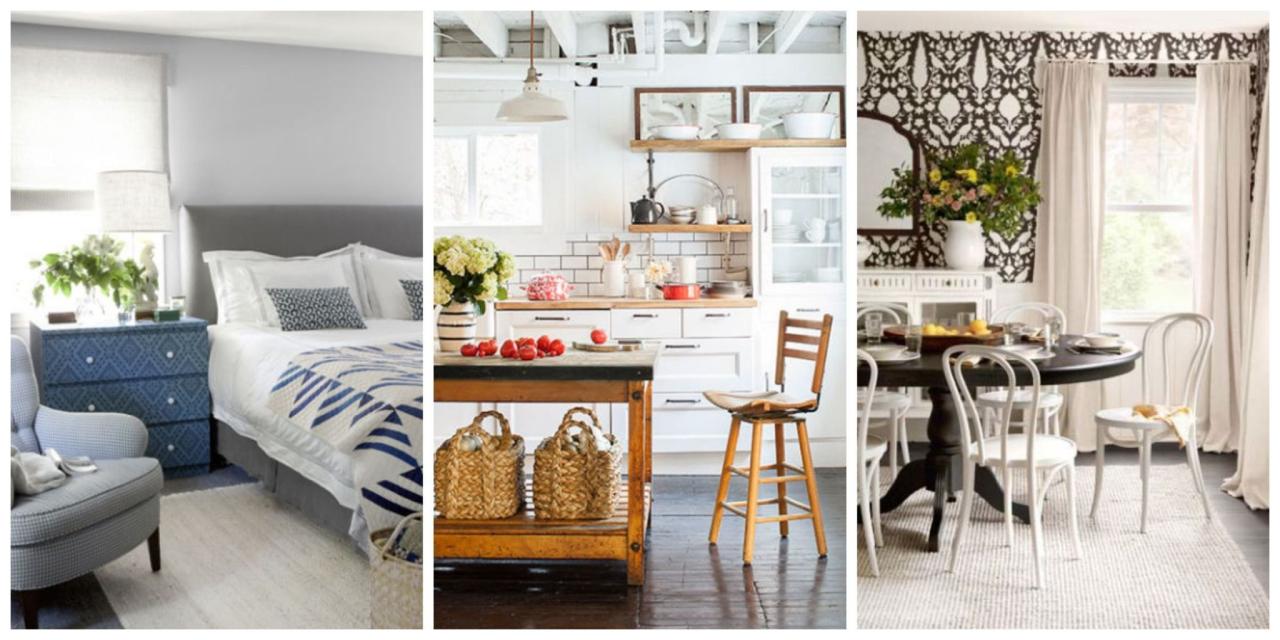
When planning a home makeover for first-time buyers, it is important to focus on key areas that can make a big difference in the overall look and feel of the space. Some common areas to consider for a makeover include:
- Kitchen: Updating cabinets, countertops, and appliances can modernize the heart of the home.
- Bathroom: Refreshing fixtures, tiles, and lighting can enhance the functionality and aesthetics of the bathroom.
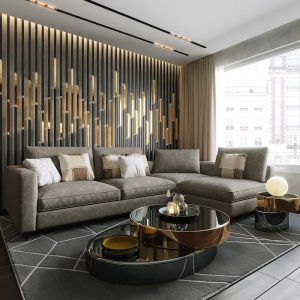
- Living Room: Adding new furniture, rugs, and decor can transform the living room into a cozy and inviting space.
- Bedroom: Upgrading bedding, paint colors, and lighting can create a relaxing retreat for rest and relaxation.
Tips for Budget-Friendly Makeover Ideas
For first-time buyers on a budget, there are plenty of cost-effective makeover ideas that can still make a big impact. Consider the following tips:
- Painting walls in neutral tones can instantly freshen up a space without breaking the bank.
- DIY projects like installing shelving, painting furniture, or adding new hardware can personalize your home on a budget.
- Shopping at thrift stores, garage sales, or online marketplaces for secondhand furniture and decor can save money while adding character to your space.
- Focusing on high-impact areas like the entryway, kitchen backsplash, or bathroom vanity can give your home a stylish upgrade without a major investment.
Adding Value to a Property
A well-planned home makeover can not only enhance your living experience but also increase the value of your property. By investing in key upgrades and renovations, you can attract potential buyers in the future and potentially sell your home at a higher price. Consider consulting with a real estate expert or interior designer to determine the best makeover projects that will add value to your specific property.
Home Accents
Adding home accents is a crucial aspect of interior design as they help in personalizing and enhancing the overall look and feel of a space. These decorative elements can range from small items like throw pillows and vases to larger pieces like artwork and rugs.
Popular Home Accents
- Throw pillows: Perfect for adding color and texture to a sofa or bed.
- Wall art: Can serve as a focal point and reflect the homeowner’s style.
- Indoor plants: Bring a touch of nature and freshness to any room.
- Candles: Create a cozy ambiance and add fragrance to the space.
Choosing the Right Home Accents
- Consider the existing interior style: Choose accents that complement the overall aesthetic of the room.
- Balance and scale: Ensure that the size and quantity of accents are proportionate to the size of the space.
- Color coordination: Select accents that either match or provide a contrasting pop of color to the room.
Incorporating Home Accents Effectively
- Focus on a few statement pieces: Avoid overcrowding the space with too many accents.
- Layering: Experiment with different textures and heights to create visual interest.
- Placement: Strategically place accents in areas that need a visual lift or as a focal point in the room.
Home Automation
Home automation refers to the use of technology to control and automate various household devices and systems. This allows homeowners to remotely monitor and manage their home’s functions, such as lighting, heating, security, and entertainment, through smart devices like smartphones or tablets.
Common Smart Home Devices
There are several smart home devices that can be integrated into a home to enhance convenience and efficiency:
- Smart Thermostats: These devices can learn your preferences and adjust the temperature settings accordingly, leading to energy savings and increased comfort.
- Smart Lighting: LED bulbs and smart switches can be controlled remotely to set the mood, save energy, and enhance security by scheduling lights to turn on/off when you’re away.
- Smart Security Systems: Cameras, motion sensors, and smart locks provide enhanced security by allowing you to monitor your home from anywhere and receive alerts in case of suspicious activity.
- Voice Assistants: Devices like Amazon Alexa or Google Home enable hands-free control of various aspects of your home, from setting reminders to playing music.
Impact on Convenience and Energy Efficiency
Home automation offers the convenience of managing your home remotely, whether you’re at work, on vacation, or simply relaxing on the couch. By optimizing energy usage and automating tasks, smart devices can lead to significant cost savings and reduce your environmental footprint.
Tips for Incorporating Home Automation
- Start Small: Begin by focusing on one area, such as lighting or heating, and gradually expand to other systems as you become more comfortable with the technology.
- Research and Compare: Take the time to research different smart devices, brands, and compatibility options to ensure they meet your specific needs and work well together.
- Create a Smart Home Hub: Consider investing in a central hub or controller that can communicate with all your smart devices, streamlining the management and accessibility of your automated systems.
- Seek Professional Installation: For complex systems or integration challenges, it may be beneficial to consult with a professional installer to ensure a seamless setup and optimal performance.
Home Office
Having a dedicated home office space is crucial for first-time buyers as it provides a designated area for work, helping to separate work life from personal life. This space allows for increased productivity, focus, and organization, ultimately leading to a better work-life balance.
Key Elements for Setting Up a Home Office
- Choose a quiet and well-lit area in your home to set up your office.
- Invest in a comfortable and ergonomic chair and desk to prevent strain and discomfort.
- Ensure you have adequate storage space for organizing documents and supplies.
- Consider the layout of your office to optimize workflow and efficiency.
Tips for Organizing a Functional Home Office
- Keep your workspace clutter-free by regularly decluttering and organizing your desk and storage areas.
- Create a daily to-do list or schedule to prioritize tasks and stay on track.
- Incorporate personal touches and decor that inspire and motivate you in your workspace.
- Utilize technology and tools to enhance efficiency, such as a good internet connection and organizational apps.
Creating a Balance Between Work and Personal Life
- Set specific work hours and boundaries to prevent work from encroaching on personal time.
- Take regular breaks and incorporate physical activity or relaxation techniques into your daily routine.
- Designate specific areas in your home for work and relaxation to create a clear separation between the two.
- Communicate with family members or housemates about your work schedule to avoid interruptions during work hours.
Home Office Furniture
When setting up a home office, choosing the right furniture is crucial for creating a productive and comfortable workspace. Here are some essential pieces of furniture needed for a home office:
Essential Furniture Pieces
- Desk: A sturdy and spacious desk is the centerpiece of any home office. Choose one that fits your work style and provides enough surface area for your computer, paperwork, and other essentials.
- Chair: Invest in an ergonomic chair that supports your back and promotes good posture to prevent discomfort during long hours of work.
- Shelving: Opt for shelving units or bookcases to keep your office organized and create storage space for books, files, and office supplies.
- Filing Cabinet: A filing cabinet is essential for storing important documents and keeping your workspace clutter-free.
Choosing Ergonomic and Stylish Office Furniture
When selecting office furniture, prioritize comfort, functionality, and style. Look for ergonomic designs that promote good posture and reduce strain on your body. Additionally, choose furniture pieces that complement your home decor to create a cohesive and visually appealing workspace.
Importance of Storage Solutions
Storage is key in a home office to keep your workspace organized and efficient. Invest in furniture with built-in storage solutions such as drawers, shelves, and cabinets to minimize clutter and maximize productivity.
Optimizing Space with Multifunctional Furniture
To make the most of limited space in a home office, consider multifunctional furniture pieces that serve dual purposes. For example, a desk with built-in storage or a wall-mounted folding desk can help optimize space and create a functional work area.
Elevate your living experience by incorporating these makeover ideas, accents, automation, office setup, and furniture solutions into your home, creating a harmonious blend of style and functionality.
General Inquiries
What are some budget-friendly makeover ideas for first-time buyers?
Painting walls, updating fixtures, and decluttering are cost-effective ways to give your home a fresh look.
How can home automation improve energy efficiency?
Smart thermostats, lighting systems, and appliances can help regulate energy usage, reducing overall consumption.
What are key elements to consider when setting up a home office?
Ergonomic furniture, good lighting, and organization systems play a crucial role in creating a productive workspace.
Why is it important to choose the right home accents?
Home accents can reflect your personal style and enhance the overall aesthetic appeal of your living space.
How can multifunctional home office furniture optimize space?
Furniture pieces like desks with built-in storage or convertible tables provide functionality without taking up too much space.