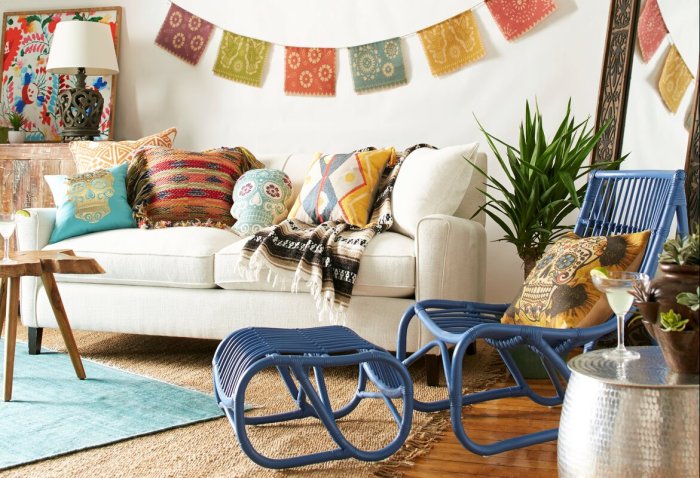
Boho home accents offer a unique blend of eclecticism and comfort, transforming living spaces into havens of relaxed sophistication. This style embraces natural materials, vibrant colors, and global influences, creating an atmosphere that is both inviting and visually stimulating. We’ll explore the defining characteristics of boho decor, delve into popular accent categories, and guide you through sourcing, creating, and integrating these elements into your home.
From understanding the core principles of boho design and its contrasts with other styles to mastering DIY projects and strategically incorporating accents into various rooms, this guide provides a comprehensive overview. We’ll also touch upon the broader landscape of home accent styles and discuss the significant impact boho aesthetics have on the overall mood and ambiance of a space.
Home Accents
Home accents are the finishing touches that transform a house into a home, reflecting personal style and creating a specific atmosphere. They go beyond the basics of furniture and appliances, adding personality and depth to any living space. Understanding the diverse range of styles available allows for a more intentional and effective approach to interior design.
Home Accent Styles: A Diverse Landscape
Various home accent styles offer a spectrum of aesthetics and functionalities, catering to diverse tastes and preferences. The choice of style often reflects the homeowner’s personality, cultural background, and desired ambiance. Consideration should be given to both the visual appeal and the practical aspects of each style, ensuring harmony and functionality within the living space.
- Minimalist: Characterized by clean lines, simple forms, and a neutral color palette. Minimalist accents prioritize functionality and avoid clutter, creating a sense of calm and spaciousness. Think sleek, unadorned vases and geometrically shaped throw pillows.
- Modern: Often incorporates sleek lines, metallic accents, and a focus on functionality. Modern accents often feature innovative materials and a sophisticated color palette, reflecting a contemporary and refined aesthetic. Examples include chrome lamps and abstract art prints.
- Traditional: This style emphasizes classic elegance with ornate details, rich fabrics, and a sense of history. Traditional accents often feature antique or antique-inspired pieces, creating a warm and inviting atmosphere. Think richly carved wooden frames and plush velvet upholstery.
- Transitional: A blend of traditional and modern elements, creating a balanced and versatile look. Transitional accents combine classic forms with contemporary materials and colors, resulting in a sophisticated and adaptable style. Examples include furniture with clean lines but traditional materials like wood.
- Farmhouse: A rustic and cozy style characterized by natural materials, warm colors, and a sense of comfort. Farmhouse accents often incorporate reclaimed wood, vintage finds, and natural textiles, creating a welcoming and homely atmosphere. Think distressed wooden shelves and gingham patterned curtains.
- Mid-Century Modern: Inspired by the design aesthetic of the mid-20th century, this style features clean lines, organic shapes, and a focus on functionality. Mid-century modern accents often incorporate iconic furniture designs and a muted color palette, creating a sophisticated and timeless look. Think iconic Eames chairs and teak wood furniture.
- Industrial: This style incorporates raw materials, exposed brick, metal accents, and a utilitarian aesthetic. Industrial accents often feature repurposed items and a neutral color palette, creating a unique and edgy atmosphere. Think exposed pipes and metal shelving units.
- Shabby Chic: A romantic and whimsical style characterized by distressed finishes, pastel colors, and delicate details. Shabby chic accents often incorporate vintage or antique pieces, creating a charming and feminine atmosphere. Think lace doilies and pastel-colored furniture.
- Coastal: Inspired by the relaxed atmosphere of coastal living, this style incorporates natural materials, light colors, and nautical accents. Coastal accents often feature seashells, driftwood, and nautical-themed artwork, creating a refreshing and airy atmosphere. Think light blue and white color schemes and wicker furniture.
- Scandinavian: Characterized by simplicity, functionality, and a focus on natural light. Scandinavian accents often incorporate natural materials, neutral colors, and minimalist designs, creating a clean and airy atmosphere. Think light wood furniture and simple, geometric patterns.
The Impact of Boho Accents on Home Ambiance
Boho home accents, with their emphasis on natural materials, earthy tones, and eclectic layering, significantly contribute to a space’s overall atmosphere and mood. They cultivate a feeling of relaxed sophistication, blending comfort and visual interest to create a unique and inviting environment. This style moves beyond mere decoration; it actively shapes the emotional experience of inhabiting a home.Boho style fosters a sense of calm and tranquility.
The incorporation of natural elements, such as woven textiles, wood furniture, and plants, connects the interior space with the natural world, reducing stress and promoting a feeling of wellbeing. This biophilic design approach leverages our innate connection to nature for positive psychological benefits.
The Psychological Effects of Natural Materials and Earthy Tones
The use of natural materials and earthy tones in boho decor has a demonstrably positive impact on mental wellbeing. Studies have shown that exposure to natural elements can lower cortisol levels (the stress hormone), reducing feelings of anxiety and promoting relaxation. Earthy tones, such as browns, greens, and creams, are associated with stability and grounding, creating a sense of security and calm within the home.
The tactile nature of many boho materials, like chunky knit throws or woven rugs, further enhances this sense of comfort and encourages a feeling of connection to the space. For example, the soft texture of a sheepskin rug can evoke feelings of warmth and security, while the visual appeal of a handcrafted wooden coffee table adds a touch of rustic charm and authenticity.
The Role of Lighting in Enhancing Boho Accents
Lighting plays a crucial role in maximizing the impact of boho accents. The aim is to create a warm, inviting glow that complements the natural textures and earthy tones. Layered lighting is key: a combination of ambient, task, and accent lighting creates depth and visual interest. Ambient lighting, perhaps from a woven pendant lamp or a collection of strategically placed candles, sets the overall mood.
Task lighting, such as a table lamp with a natural fiber shade, illuminates specific areas for reading or working. Accent lighting, such as fairy lights draped around plants or strategically placed spotlights highlighting artwork, adds a touch of magic and highlights key features. Dimmable lights allow for flexibility, adjusting the atmosphere to suit different moods and times of day.
For instance, warm-toned Edison bulbs in a macrame lampshade create a cozy and intimate ambiance in the evening, while bright, natural light during the day showcases the intricate details of a woven tapestry.
Ultimately, incorporating boho home accents is about creating a space that reflects your personality and fosters a sense of calm and creativity. By thoughtfully selecting pieces and understanding the underlying principles of the style, you can transform your home into a unique and welcoming sanctuary. Whether you choose to source ready-made items or embark on exciting DIY projects, the journey of decorating with boho accents is sure to be a rewarding one, resulting in a space that is both beautiful and deeply personal.
Expert Answers
What is the difference between Boho and Bohemian style?
The terms are often used interchangeably, but “Bohemian” is a broader lifestyle encompassing artistic freedom and nonconformity, while “Boho” in home decor refers to the aesthetic elements inspired by that lifestyle.
How can I make my boho space feel less cluttered?
Maintain a balanced approach. Use a neutral base color palette and strategically place accents. Avoid overcrowding surfaces and utilize storage solutions effectively.
Where can I find affordable Boho home accents?
Thrift stores, flea markets, online marketplaces (Etsy, eBay), and discount home goods stores are excellent resources for budget-friendly finds.
Are there any specific color palettes best suited for Boho decor?
Earthy tones (browns, greens, creams) are common, but vibrant jewel tones and pops of bright colors can also be incorporated for visual interest.