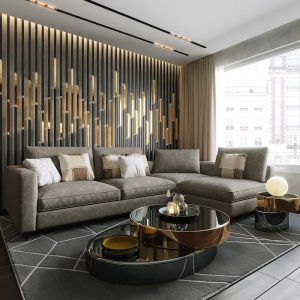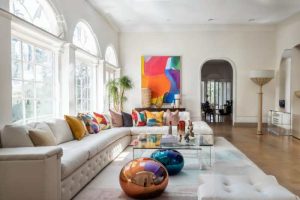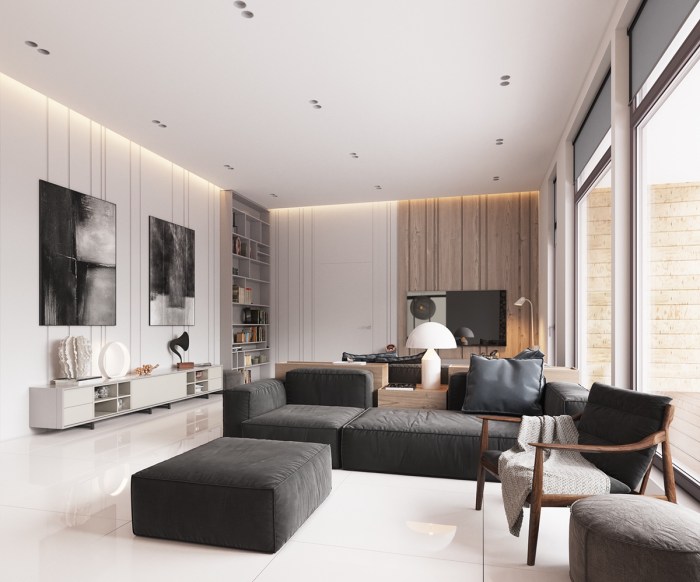
Minimalist home accents offer a pathway to creating serene and stylish living spaces. This guide explores the core principles of minimalist design as applied to home décor, examining the materials, colors, and placement strategies that contribute to a clean, uncluttered aesthetic. We’ll delve into various accent types, sourcing options, and practical applications, ultimately empowering you to transform your home with intentional simplicity.
From selecting the right materials – natural wood, sleek ceramics, or refined metals – to understanding how color palettes and strategic placement enhance a room’s atmosphere, we will cover the essential elements for incorporating minimalist accents successfully. We’ll also explore the contrasts between minimalist and other design styles, helping you identify the approach that best suits your personal taste and home environment.
Sourcing and Choosing Minimalist Home Accents
Selecting the right minimalist home accents can significantly enhance your living space, creating a serene and uncluttered atmosphere. The process involves careful consideration of both the source and the specific pieces chosen, ensuring they harmonize with your existing décor and personal style. This section will explore various sourcing options and provide guidance on making informed choices.
Advantages and Disadvantages of Different Sourcing Options for Minimalist Home Accents
The source of your minimalist accents impacts their quality, cost, and uniqueness. Online retailers offer convenience and a vast selection, but may lack the personal touch and potential for discovering truly unique pieces. Local artisans, on the other hand, provide handcrafted items with a distinct character and often support sustainable practices. However, their availability might be limited, and prices can be higher.
Vintage shops offer a treasure trove of pre-loved items with unique histories, often at affordable prices, but require more time and effort to find suitable pieces. Each option presents a unique set of trade-offs that should be carefully weighed against your needs and preferences.
Tips for Selecting Minimalist Home Accents that Complement Existing Furniture and Décor
Successful minimalist design hinges on creating a cohesive and harmonious space. When selecting accents, prioritize pieces that complement your existing furniture and décor in terms of color palette, material, and style. For example, if your furniture is predominantly light wood and neutral tones, choose accents in similar colors or complementary shades. Consider the textures of your existing pieces – a smooth, polished surface might pair well with a similarly textured accent, while a rougher texture could benefit from a contrasting smooth accent.
Avoid introducing too many clashing elements or overly bold patterns. Instead, opt for subtle variations that enhance the overall aesthetic.
A Step-by-Step Guide for Incorporating Minimalist Home Accents Without Overwhelming the Space
Integrating minimalist accents requires a thoughtful approach to avoid cluttering the space. Begin by identifying areas that could benefit from a subtle enhancement. A single, well-chosen piece can often make a significant impact. Next, select pieces that are both functional and aesthetically pleasing. A minimalist vase, for example, can serve both as a decorative element and a practical container for flowers.
Always prioritize quality over quantity; a few carefully chosen accents are far more effective than many poorly selected items. Finally, take your time and allow the process to unfold organically. Don’t feel pressured to fill every space immediately; the beauty of minimalism lies in its intentional simplicity.
Home Accents
Home accents play a crucial role in transforming a house into a home, elevating the overall design and ambiance of a living space beyond the basic functionality of furniture and architecture. They add personality, create focal points, and contribute significantly to the overall mood and atmosphere. Careful selection and placement can dramatically impact the visual appeal and the feeling of comfort and style within a room.Home Accents: Categorization by Function and StyleDifferent types of home accents serve various purposes, ranging from purely decorative to highly functional, or a blend of both.
Understanding these distinctions helps in creating a cohesive and well-balanced interior.
Decorative Home Accents
Decorative accents primarily focus on enhancing the aesthetic appeal of a space. These might include throw pillows with interesting textures and patterns, decorative vases showcasing unique shapes and colors, or framed artwork reflecting personal tastes and artistic preferences. A carefully chosen collection of decorative objects can unify a room’s color palette or introduce a specific theme, creating a visually stimulating environment.
For example, a set of vintage ceramic bowls displayed on a shelf can add a touch of nostalgia and charm to a kitchen, while a modern abstract painting can serve as a vibrant focal point in a minimalist living room.
Functional Home Accents
These accents serve practical purposes while also contributing to the overall design. A stylish storage basket can keep blankets organized in a living room while adding a textural element, while a beautifully designed lamp provides both illumination and a visually pleasing presence. Functional accents can range from practical items like decorative trays for keys and mail to stylish coat racks or shelving units.
The key is to select items that are both useful and aesthetically pleasing, seamlessly integrating function and form.
Artistic Home Accents
Artistic home accents elevate the aesthetic value of a room by introducing elements of fine art or craftsmanship. Sculptures, handcrafted ceramics, or original paintings can add a unique character and sophistication. These pieces often act as conversation starters and reflect the homeowner’s individual taste and appreciation for art. The placement of artistic accents requires careful consideration, ensuring they are appropriately displayed and complement the existing décor without overwhelming the space.
A large-scale sculpture might be a statement piece in a spacious room, whereas smaller pieces could be arranged on shelves or side tables.Home Accents and Interior Design StylesThe use of home accents varies significantly depending on the overall interior design style.
Home Accents in Modern Design
Modern design emphasizes clean lines, simplicity, and functionality. Home accents in this style tend to be minimalist and understated, often featuring neutral colors, geometric shapes, and natural materials like wood and stone. Think sleek ceramic vases, minimalist sculptures, or abstract artwork with muted tones. The focus is on creating a sense of calm and order.
Home Accents in Traditional Design
Traditional design incorporates ornate details, rich textures, and classic patterns. Home accents in this style might include antique furniture, ornate mirrors, patterned rugs, and decorative objects with historical references. The overall effect is rich and luxurious, with a sense of history and craftsmanship.
Home Accents in Rustic Design
Rustic design emphasizes natural materials, rough textures, and a sense of warmth. Home accents in this style often include items made from reclaimed wood, woven textiles, and natural stone. Think rustic wooden bowls, wrought iron candle holders, or vintage-inspired artwork with earthy tones. The goal is to create a cozy and inviting atmosphere.Strategic Placement of Home AccentsThe strategic placement of home accents is crucial for enhancing the flow and visual appeal of a room.
Improving Room Flow and Visual Appeal with Home Accents
Careful consideration of placement can significantly impact the overall look and feel of a room. For instance, a large piece of artwork can serve as a focal point, drawing the eye and anchoring the space. Smaller accents can be strategically placed to balance the visual weight of the room or to create visual interest in less prominent areas.
Grouping similar items together can create a cohesive look, while strategically placing contrasting elements can add visual dynamism. The use of height and varying textures can also contribute to a visually engaging and balanced space. A well-placed mirror can also enhance the sense of space and reflect light, brightening a room.
Minimalist Home Accents
Minimalist home accents offer a pathway to creating serene and functional living spaces. By carefully selecting a few key pieces, you can elevate the aesthetic appeal of your home while simultaneously decluttering and promoting a sense of calm. This section will explore the practical applications of minimalist accents across various rooms, providing maintenance tips and showcasing a mood board for a small apartment.
Practical Applications of Minimalist Home Accents in Various Rooms
The beauty of minimalist accents lies in their versatility. They can be effectively incorporated into any room, transforming the space without overwhelming it. The key is to choose pieces that complement the existing décor and enhance functionality.
- Living Room: A simple, low-profile coffee table made of natural wood or a sleek metal side table can serve as focal points. A large, neutral-toned rug can anchor the space, while a single piece of statement art – a minimalist print or a sculptural piece – adds visual interest. Consider a simple, yet elegant floor lamp for ambient lighting.
- Bedroom: A minimalist headboard made from natural materials like rattan or linen can create a calming atmosphere. A simple bedside table with a single lamp and a small tray for essentials keeps the space clutter-free. Soft, neutral-toned bedding and a few carefully chosen throw pillows complete the look.
- Kitchen: Open shelving with a curated collection of minimalist kitchenware can add a touch of elegance. A simple, functional fruit bowl and a sleek, minimalist vase for flowers enhance the aesthetic. Choose neutral-toned kitchen towels and placemats for a cohesive look.
- Bathroom: A simple, freestanding bathtub or a minimalist vanity with clean lines creates a spa-like atmosphere. A few carefully chosen plants add life and vibrancy. Neutral-toned towels and a simple soap dispenser maintain the minimalist aesthetic.
- Dining Room: A simple, extendable dining table made from natural wood or a sleek metal frame is both functional and stylish. Minimalist chairs with clean lines complete the setting. A simple centerpiece – a single vase of flowers or a small bowl of fruit – adds a touch of elegance without cluttering the table.
Maintaining and Caring for Minimalist Home Accents
Proper care ensures the longevity of your minimalist accents. Regular dusting and cleaning, using appropriate cleaning solutions for the materials, is essential. For natural materials like wood or rattan, occasional polishing or oiling can help maintain their luster. Fabric accents, such as throw pillows or rugs, should be regularly cleaned or spot-cleaned as needed, following the manufacturer’s instructions.
Protecting delicate pieces from direct sunlight and excessive moisture is also crucial.
Mood Board: Minimalist Accents for a Small Apartment
Imagine a mood board featuring a calming palette of whites, greys, and muted greens. The central image is a photograph of a small, bright apartment with large windows allowing natural light to flood the space. Surrounding this are images showcasing minimalist elements: a sleek white sofa with simple grey cushions, a low-profile coffee table made of light oak, a large, neutral-toned rug with a subtle geometric pattern, a simple floor lamp with a linen shade, and a single piece of abstract art in muted greens and greys.
A small, potted succulent adds a touch of life. The overall mood is one of serenity, calm, and functionality, showcasing how a few carefully chosen accents can transform a small space into a stylish and inviting home. The visual elements create a cohesive and uncluttered atmosphere, emphasizing the beauty of simplicity and functionality.
By thoughtfully incorporating minimalist home accents, you can cultivate a space that is not only visually appealing but also promotes calm and tranquility. Remember, the key lies in intentional selection and strategic placement, ensuring each piece contributes to the overall harmony and functionality of your home. Embrace the beauty of less, and discover the transformative power of minimalist design in creating a sanctuary that reflects your personal style and enhances your well-being.
Popular Questions
How do I incorporate minimalist accents into an already furnished room?
Start by decluttering and removing unnecessary items. Then, introduce one or two carefully chosen minimalist accents, focusing on pieces that complement your existing furniture and color scheme. Avoid overwhelming the space; less is truly more.
Where can I find affordable minimalist home accents?
Explore online marketplaces, thrift stores, and local craft fairs for unique and budget-friendly options. Consider repurposing existing items or DIY projects to create personalized minimalist accents.
How do I clean and maintain minimalist home accents?
Cleaning methods vary depending on the material. Always refer to the manufacturer’s instructions. Regular dusting and gentle cleaning will help preserve the beauty and longevity of your minimalist accents.
What if my minimalist accents don’t match my existing style?
Minimalist design is versatile and can often complement various styles. Consider adding transitional pieces that bridge the gap between your existing décor and the minimalist aesthetic. A gradual approach is key.