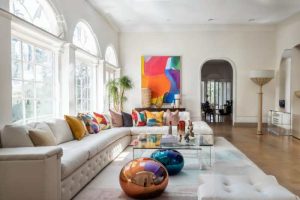
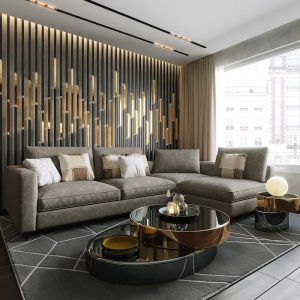
Transforming a house into a home often hinges on the subtle details, and textured home accents play a pivotal role in achieving this transformation. From the soft caress of a knitted throw blanket to the rustic charm of a ceramic vase, textures add depth, personality, and visual interest to any living space. This exploration delves into the world of textured home décor, examining popular materials, design trends, and practical applications to help you cultivate a truly unique and inviting environment.
We will examine the diverse range of materials used to create these accents, comparing their durability, maintenance needs, and aesthetic contributions. We’ll also explore how different textures can complement various interior design styles, offering practical advice on integrating them effectively into living rooms, bedrooms, kitchens, and bathrooms. Finally, we’ll provide simple DIY projects to empower you to create your own textured masterpieces.
Popular Materials for Textured Home Accents
The choice of material significantly impacts the overall aesthetic and functionality of textured home accents. Understanding the properties and maintenance requirements of various materials is crucial for achieving a durable and visually appealing result. This section explores several popular options, comparing their strengths and weaknesses to aid in informed decision-making.
Material Properties and Applications
Several materials lend themselves well to creating textured home accents, each offering unique properties and aesthetic qualities. The following list details five popular choices and their typical applications.
- Wood: Known for its natural warmth and versatility, wood offers a wide range of textures, from smooth to heavily grained. Its applications are extensive, encompassing everything from carved wall panels and textured furniture to decorative boxes and sculpted accents. Different wood types offer varying levels of durability and require specific maintenance to preserve their finish.
- Stone: Stone, including marble, granite, and limestone, provides a luxurious and durable option for textured home accents. Its inherent texture and natural variations add character and sophistication. Common applications include textured wall cladding, fireplace surrounds, and decorative tabletops. Stone’s high durability often comes with higher maintenance requirements, particularly concerning cleaning and sealing.
- Metal: Metals like wrought iron, copper, and brushed steel offer unique textural possibilities. The malleability of these materials allows for intricate designs and patterns. Applications include decorative wall art, light fixtures, and furniture accents. Metal accents often require minimal maintenance but may necessitate occasional cleaning to prevent tarnishing or corrosion.
- Fabric: Textiles such as velvet, linen, and burlap offer soft and tactile textures, ideal for adding warmth and visual interest to a space. Applications include upholstered furniture, textured throw pillows, and wall hangings. Fabric accents require regular cleaning and maintenance to preserve their appearance and prevent wear and tear.
- Concrete: Concrete, often overlooked for its textural potential, can be molded and textured to create striking and modern accents. Its durability and versatility make it suitable for both indoor and outdoor applications, such as textured planters, wall panels, and decorative sculptures. Proper sealing is essential for protecting concrete from moisture damage.
Durability and Maintenance Comparison
The durability and maintenance requirements of textured home accents vary significantly depending on the chosen material. For instance, stone and concrete are inherently durable and require minimal maintenance beyond occasional cleaning, while fabrics need more frequent cleaning and care to prevent damage. Metal accents may require occasional polishing or treatment to prevent corrosion. Wood’s durability depends heavily on the type of wood and the finish applied, with some requiring regular oiling or waxing.
Material Comparison Table
| Material | Cost | Texture | Durability | Cleaning Ease |
|---|---|---|---|---|
| Wood | Medium to High | Varied, from smooth to heavily grained | Medium to High (depending on type and finish) | Medium |
| Stone | High | Natural, varied | High | Medium (requires sealing) |
| Metal | Medium to High | Smooth to heavily textured | High | Easy |
| Fabric | Low to Medium | Soft, varied | Low to Medium | Medium to High (depending on fabric type) |
| Concrete | Low to Medium | Highly variable, easily customizable | High | Easy (requires sealing) |
Styles and Design Trends in Textured Home Accents
The incorporation of texture adds depth, visual interest, and a sense of tactility to any home’s interior design. Understanding current trends and how textures interact with different design styles is key to creating a cohesive and aesthetically pleasing space. This section explores current trends and provides examples of how various textures enhance diverse interior design aesthetics.
Texture plays a crucial role in shaping the overall atmosphere and feel of a room. From the subtle grain of natural wood to the bold weave of a chunky knit throw, texture can dramatically impact the perception of space and the emotional response it evokes. Careful consideration of texture allows for the creation of inviting, comfortable, and visually stunning environments.
Current Design Trends Utilizing Textured Home Accents
Three prominent design trends currently showcase the power of textured home accents: the rise of natural materials, the continued popularity of bohemian aesthetics, and the increasing embrace of maximalist design. Natural materials, such as rattan, jute, and linen, offer a sustainable and aesthetically pleasing approach, aligning with eco-conscious design principles. Bohemian styles utilize a layering of textures for a rich, eclectic look, while maximalism embraces a more is more philosophy, celebrating a diverse range of textures in a single space.
Texture and Interior Design Style Complementarity
Different textures inherently complement various interior design styles. For instance, a bohemian aesthetic thrives on a layered approach, incorporating a variety of textures such as woven textiles, macrame wall hangings, and plush velvet cushions. This creates a rich, eclectic feel that is both visually stimulating and inviting. Minimalist design, in contrast, benefits from the introduction of subtle textures.
A high-quality, coarsely woven wool rug or a subtly textured linen throw can add visual interest without overwhelming the clean lines and uncluttered spaces characteristic of minimalist interiors. Rustic design styles benefit from the use of textures that evoke a sense of warmth and age, such as rough-hewn wood, stone, and ceramic. These textures add depth and character to the space, contributing to the overall sense of comfortable, lived-in charm.
Examples of Textured Home Accents in Different Settings
Visualizing the impact of textured home accents is best achieved through specific examples. Below are descriptions of three distinct home settings illustrating the effective use of texture in different design styles.
Modern Living Room: Imagine a spacious living room with sleek, minimalist furniture. The focal point is a large, plush, woven throw pillow in a neutral tone, its intricate pattern adding subtle visual interest against the clean lines of the sofa. A low, wide coffee table made of polished concrete provides a contrasting, smooth texture against the woven pillow. The overall effect is one of sophisticated simplicity, where the texture of the pillow adds a touch of warmth and visual complexity without disrupting the minimalist aesthetic.
Rustic Kitchen: Picture a charming farmhouse-style kitchen with exposed wooden beams and a stone countertop. The key textural elements are a collection of ceramic bowls, each with a unique, handcrafted texture. The bowls, displayed on open shelving, showcase variations in surface patterns and glazes, adding visual interest and character to the space. The rough texture of the stone countertop complements the rustic aesthetic, while the smooth, cool touch of the ceramic bowls offers a pleasing contrast.
Minimalist Bedroom: Envision a serene, minimalist bedroom with a neutral color palette. The dominant textural element is a large, textured wool rug in a natural off-white hue. The rug’s coarse weave adds visual depth and a sense of warmth to the otherwise simple space. The subtle texture of the rug creates a grounding element, enhancing the feeling of calm and tranquility in the room.
The bed linens, in a smooth, crisp cotton, offer a contrasting texture that further emphasizes the overall simplicity and elegance of the room.
Applications of Textured Home Accents in Different Rooms
Textured home accents offer a versatile way to enhance the aesthetic appeal and overall ambiance of any room. By carefully selecting and incorporating various textures, homeowners can create visually engaging spaces that are both stylish and comfortable. The impact of texture extends beyond mere visual appeal; it can influence the mood and feel of a room, contributing significantly to its overall character.
Textured Accents in Living Rooms
The living room, often the heart of the home, benefits greatly from the strategic use of textured accents. These additions can create focal points, add depth, and contribute to a welcoming atmosphere.
- A plush, oversized knitted throw blanket draped over a sofa introduces a tactile element of softness and warmth, contrasting beautifully with the sofa’s upholstery. This creates a visually appealing and comfortable space for relaxation.
- A textured area rug with a high-pile design can define the seating area and add a layer of comfort underfoot. A rug with a geometric pattern in a natural fiber like jute adds visual interest and a sense of organic warmth.
- Woven wall hangings or tapestries with intricate patterns add visual depth and texture to otherwise plain walls. A macrame wall hanging, for example, introduces a bohemian touch and a unique textural element.
Textured Accents in Bedrooms
The bedroom, a sanctuary for rest and relaxation, should be designed to promote tranquility and comfort. Textured accents play a crucial role in creating this atmosphere.
- A linen duvet cover with a subtle weave adds a layer of understated elegance and tactile comfort. The natural texture of linen breathes well and contributes to a calming atmosphere.
- A faux fur throw at the foot of the bed introduces a luxurious and comforting texture, perfect for snuggling up on a chilly evening. The softness contrasts nicely with the bed linens.
- A textured headboard, perhaps crafted from woven rattan or upholstered in a richly textured fabric, creates a visually striking focal point and adds a layer of sophisticated texture to the room.
Textured Accents in Kitchens
Kitchens, often the busiest rooms in the house, can benefit from the addition of carefully chosen textured accents that balance practicality with style.
- Open shelving with textured ceramic or stoneware bowls and jars adds visual interest and personality. The variations in texture and color create a dynamic display.
- A textured backsplash, perhaps made of natural stone or patterned tile, can transform a plain kitchen wall into a visually captivating feature. The texture adds depth and visual interest.
- Textured bar stools with woven seats or leather upholstery introduce a tactile element and add a touch of rustic charm or modern sophistication, depending on the style chosen.
Textured Accents in Bathrooms
Bathrooms can be transformed from functional spaces into tranquil oases with the addition of carefully selected textured accents.
- Textured bath mats made from natural fibers like cotton or bamboo add comfort and a touch of organic elegance. These materials also absorb moisture well.
- A textured shower curtain, perhaps made from linen or a textured plastic, adds a layer of visual interest and softness to the shower area. The texture contrasts nicely with the smooth surfaces of the shower walls.
- Textured towels, such as those with a waffle weave or a plush, thick pile, provide both absorbency and a luxurious feel. The variation in texture adds a touch of elegance.
Home Accents
Home accents, in their broadest sense, are the finishing touches that elevate a space from functional to expressive. They are the elements that infuse personality, style, and visual interest, transforming a house into a home. While textured accents contribute significantly through their tactile and visual appeal, a wealth of other elements play equally vital roles in creating a cohesive and personalized living environment.
Examples of Diverse Home Accents
Beyond textured items, a vast array of home accents contribute to a room’s overall aesthetic. These range from functional pieces that serve a practical purpose to purely decorative items that add character and flair. Consider the impact of carefully chosen artwork, strategically placed mirrors reflecting light and expanding the sense of space, or the warmth brought by a strategically placed area rug.
The strategic use of lighting, including table lamps, floor lamps, and even creatively placed candles, dramatically influences the mood and ambiance. Ornamental objects like sculptures, vases filled with fresh flowers, or carefully curated collections of books and personal mementos contribute a unique personal touch. Even the choice of window treatments—from flowing curtains to sleek blinds— significantly impacts the overall feel of a room.
Comparison of Textured and Non-Textured Home Accents
Textured home accents, such as a plush velvet sofa or a hand-woven rug, offer a tactile dimension, adding depth and visual richness. They invite physical interaction and engage multiple senses, creating a more immersive and sensory experience. In contrast, non-textured accents, such as a sleek, minimalist coffee table or a vibrant abstract painting, often contribute to a space’s visual impact through color, shape, and form.
They may not offer the same tactile engagement but can still be incredibly effective in defining a style and establishing a visual focal point. Both types, however, work in tandem to create a layered and engaging environment. For instance, a smooth, polished marble coffee table might be beautifully complemented by a textured throw blanket draped over a nearby sofa.
Impact of Home Accents on Cohesive and Personalized Living Environments
Home accents are instrumental in creating a cohesive and personalized living environment. They allow for the expression of individual style and preferences, reflecting the homeowner’s taste and personality. A thoughtfully curated collection of home accents, whether textured or not, works together to tell a story, creating a space that is both visually appealing and emotionally resonant. Consistency in color palettes, materials, and stylistic choices helps create a unified look, while carefully chosen accents add visual interest and prevent monotony.
The cumulative effect of these elements transforms a house into a true home, a space that feels welcoming, comfortable, and uniquely reflective of its inhabitants.
Creating Textured Home Accents
Adding texture to your home décor can dramatically enhance its visual appeal and create a more inviting atmosphere. Fortunately, achieving interesting textures doesn’t require expensive materials or professional skills. Many simple DIY projects can transform ordinary items into unique, textured home accents. This section details three such projects, providing step-by-step instructions and helpful tips.
Textured Wall Art Using Fabric Scraps
This project repurposes fabric scraps to create a visually interesting and tactile piece of wall art. The resulting texture depends entirely on the fabrics chosen and the arrangement.
Materials Needed:
- A piece of sturdy canvas or wood panel (size to your preference)
- Assorted fabric scraps in various textures (e.g., burlap, linen, velvet, cotton)
- Fabric glue or strong adhesive
- Scissors
- Optional: Acrylic paints and brushes for added color and detail
Steps:
- Cut the fabric scraps into various shapes and sizes. Experiment with different geometric forms or free-form pieces for a more organic look.
- Arrange the fabric pieces on the canvas or wood panel until you are satisfied with the composition and the overall texture.
- Apply fabric glue or adhesive to the back of each fabric piece and adhere it to the canvas, pressing firmly to ensure a secure bond.
- Allow the glue to dry completely before handling.
- (Optional) Once dry, add details with acrylic paints to further enhance the texture or add color accents.
Tips and Tricks:
Layering different fabrics creates depth and visual interest. Experiment with contrasting textures, such as rough burlap against smooth silk, for a dynamic effect. Using a palette knife to apply the glue can create subtle textural variations beneath the fabric.
Woven Basket from Recycled Materials
This project demonstrates how to create a textured basket using readily available recycled materials such as newspaper or magazine strips. The weaving process itself produces a unique textural element.
Materials Needed:
- Newspaper or magazine strips (cut into uniform width)
- Glue (such as white glue or school glue)
- Scissors
- Optional: Acrylic sealer for added durability and water resistance
Steps:
- Prepare the newspaper or magazine strips by cutting them into uniform width and length. The width will determine the thickness of the weaving.
- Begin weaving the strips together using a basic over-under technique. There are many online tutorials available for different weaving patterns.
- Continue weaving until you reach the desired size and shape of the basket.
- Secure the ends of the strips with glue to prevent unraveling.
- (Optional) Once dry, apply an acrylic sealer to protect the basket from moisture and increase its durability.
Tips and Tricks:
Experiment with different weaving techniques to achieve varied textures. Using thicker strips creates a coarser texture, while thinner strips produce a finer weave. Consider incorporating other materials, such as ribbon or yarn, for added visual and textural interest.
Knotted Macrame Wall Hanging
Macrame is a technique that naturally produces textured pieces. This project demonstrates how to create a simple wall hanging using basic knots.
Materials Needed:
- Thick cotton cord or rope (various colors optional)
- Wooden dowel or driftwood (for the hanging bar)
- Scissors
Steps:
- Cut several lengths of cord to create the desired length of the wall hanging. The number of cords will depend on the desired width and complexity of the design.
- Tie the cords securely to the wooden dowel or driftwood using a strong knot.
- Use various macrame knots (square knots, half hitches, etc.) to create a textured pattern down the length of the cords. Numerous online tutorials are available to guide you.
- Once the desired pattern is achieved, trim the ends of the cords evenly.
Tips and Tricks:
Varying the cord thickness and color creates visual and textural contrast. Experiment with different knotting techniques to create unique patterns and textures. Adding beads or other embellishments can further enhance the visual appeal and add textural elements.
Ultimately, incorporating textured home accents is more than just decorating; it’s about creating a space that reflects your personal style and enhances your overall well-being. By thoughtfully selecting materials and styles, you can elevate the ambiance of your home, fostering a sense of comfort, warmth, and individuality. Whether you opt for the luxurious feel of velvet, the rustic appeal of woven baskets, or the sleek modernity of smooth ceramics, the possibilities are endless.
Embrace the power of texture to transform your living space into a haven that truly reflects you.
FAQ Overview
What are the best ways to clean different textured materials?
Cleaning methods vary greatly depending on the material. Always check care labels. Generally, delicate materials like silk or wool may require dry cleaning or gentle hand washing, while more durable materials like cotton or linen can often be machine washed. For ceramics and other hard surfaces, a damp cloth is usually sufficient.
How can I choose textures that complement my existing décor?
Consider your existing color palette and style. If your space is minimalist, choose simple, smooth textures. For a bohemian style, embrace a mix of textures and patterns. If you have a lot of smooth surfaces, introducing rougher textures can add visual interest and warmth.
Where can I find high-quality textured home accents?
High-quality textured home accents can be found at a variety of retailers, both online and in physical stores. Specialty home décor stores, department stores, and online marketplaces often offer a wide selection. Consider exploring local craft fairs and artisan shops for unique, handcrafted items.